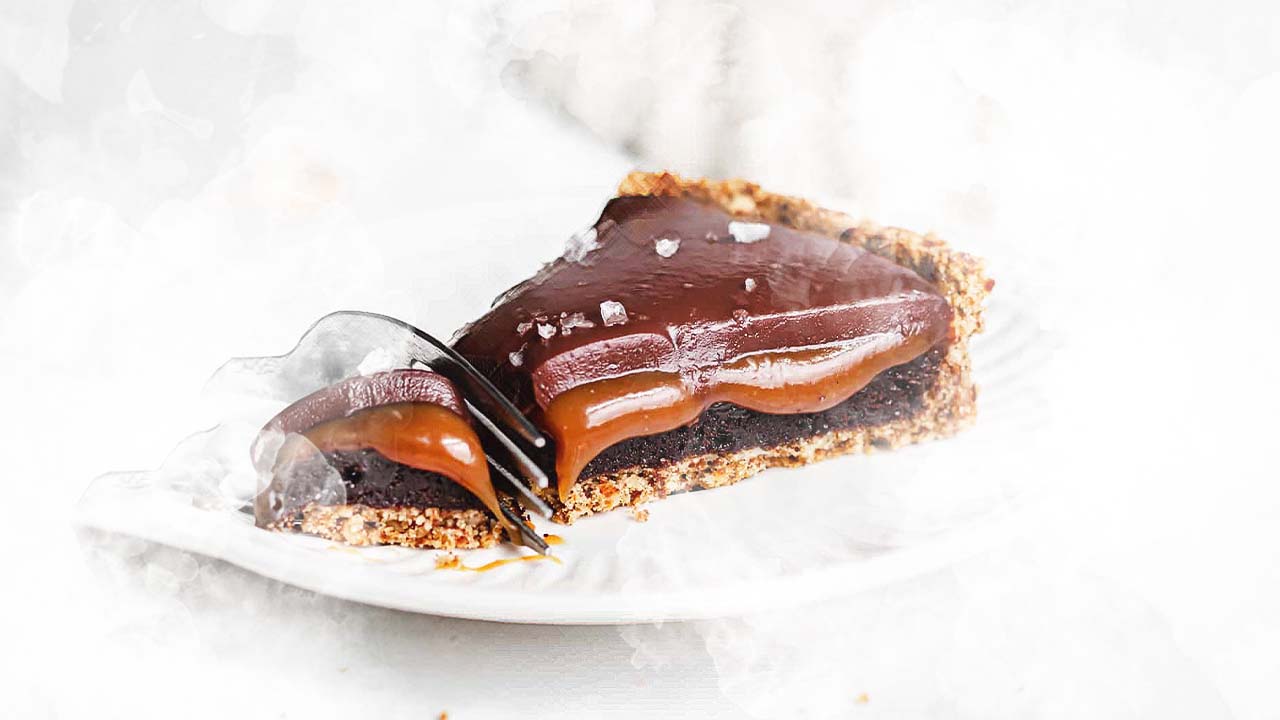
CHOCOLAT-E RECIPES
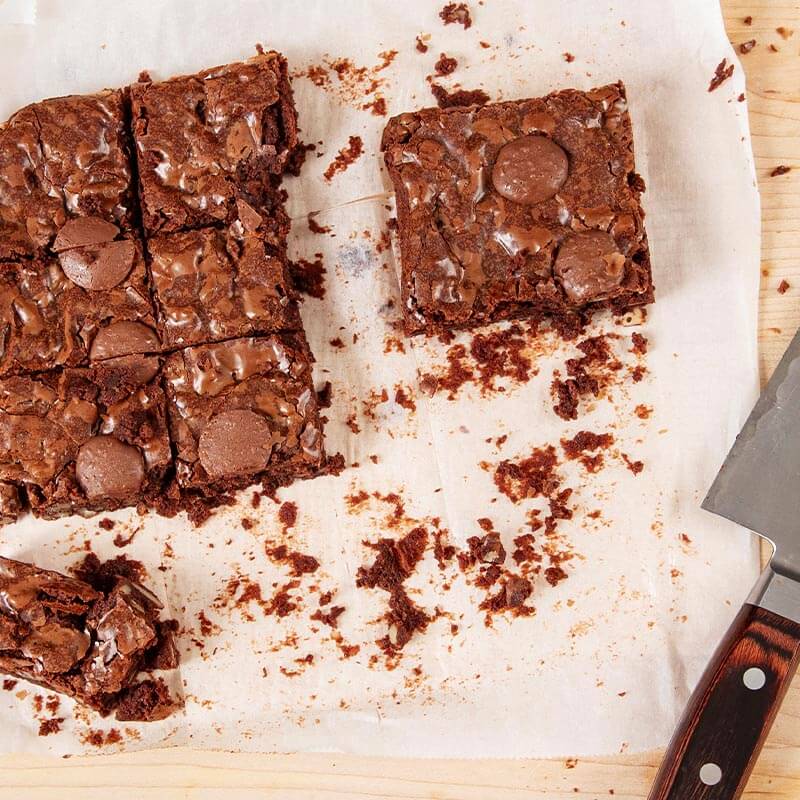
Intense Chocolate Brownie
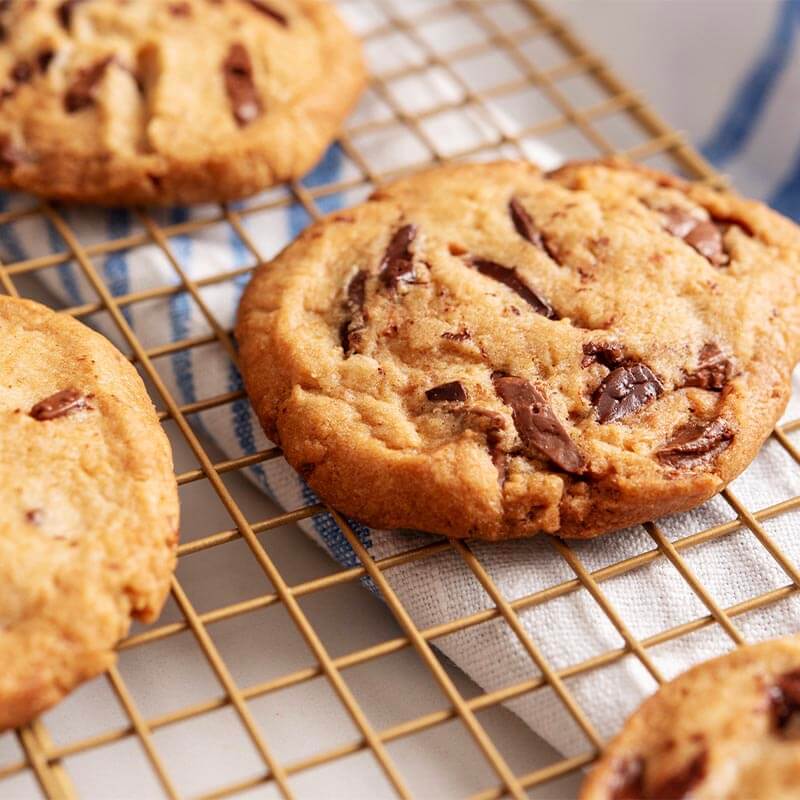
Two Chocolates Chip Cookies
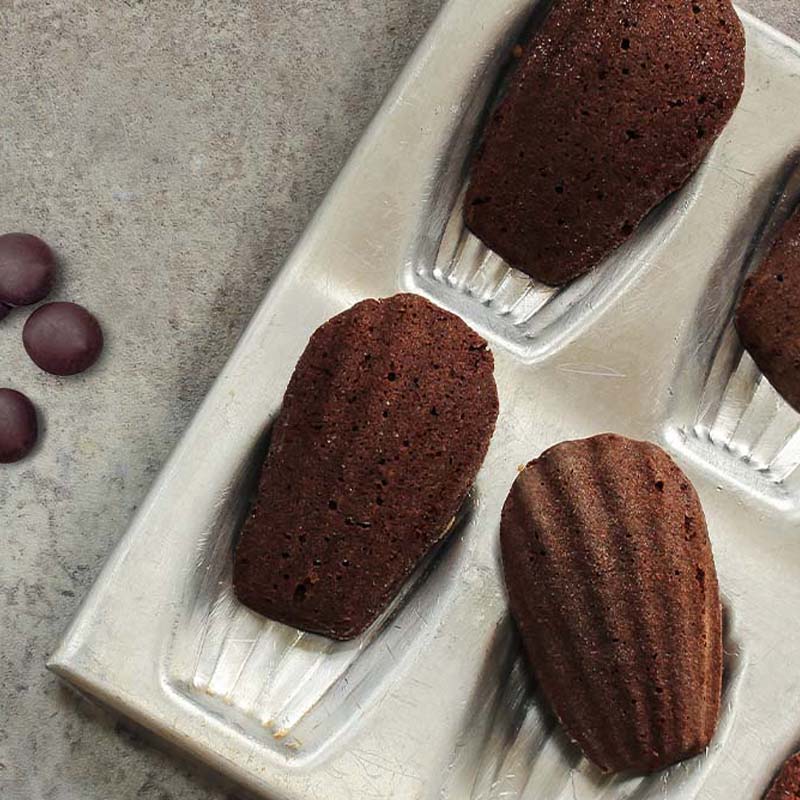
Chocolate Madeleines

Single Origin Chocolate Sorbet

Authentic Chocolate Caliente Español

Chocolate Crema Catalana
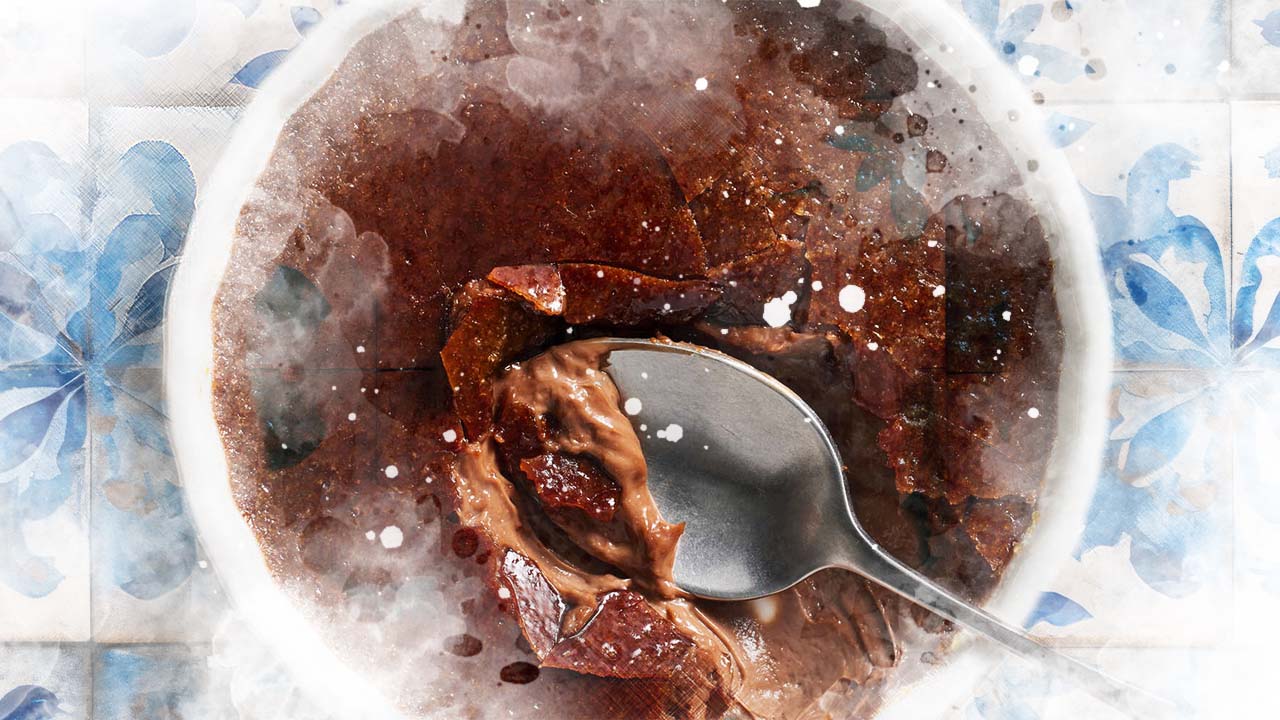
Chocolate Crema Catalana
a spanish heritage recipe
PREPARATION TIME
10 MINUTES
COOK TIME
30 MINUTES
CHILLING TIME
3+ HOURS OR OVERNIGHT
INGREDIENTS
2 oz Madagascar 72% (or Dominican Republic 72%), chocolate finely chopped
2 cups whole milk
6 egg yolks
⅓ cup sugar, plus extra for caramelizing
Cinnamon stick
Lemon zest
STEP BY STEP
Separate 6 eggs (save the yolks and discard or save the whites for another use).
Measure ⅓ cup sugar. Finely chop 2 oz of Madagascar 72% or Dominican Republic 72% chocolate. Zest 1 lemon (about 1 tablespoon of zest), and prepare 1 cinnamon stick. Prepare 4-6 ramekins (depending on their size).
Have a whisk and bowls ready, and place a fine-mesh strainer nearby.
Fill a large bowl with ice water for cooling later, if desired. Pour 2 cups of whole milk into a medium saucepan, add the cinnamon stick and lemon zest. Heat over medium-low heat until steaming (do NOT let it boil).
Remove from heat and let steep for 10 minutes. Cover the pot to let the cinnamon and lemon infuse the milk. The milk should be aromatic and slightly cooled — warm, not hot.
CUSTARD BASE PREPARATION
In a medium bowl, whisk together the 6 egg yolks and ⅓ cup of sugar. Whisk vigorously for 2-3 minutes until the mixture is pale yellow and thick. Add the finely chopped chocolate (2 oz) to the egg mixture and stir to combine, no need for the chocolate to melt yet.
Remove the cinnamon stick and lemon zest from the milk by straining through the fine-mesh strainer.
CRITICAL STEP – Tempering
Very slowly pour about ¼ cup of the warm milk into the egg mixture while whisking constantly. This warms the eggs gradually without scrambling them. Add another ¼ cup while whisking, then pour the egg mixture back into the saucepan with the remaining milk, whisking continuously.
Return the saucepan to medium-low heat. Stir constantly with a wooden spoon or whisk in a figure-8 motion. The chocolate will melt and incorporate as you stir. Cook for 8-12 minutes until the custard thickens.
Temperature check: Custard should reach 170-175°F (not boiling!).
Consistency test: It should coat the back of a spoon; when you run your finger through it, the line should stay clear.
Warning: Do not let it boil or the eggs will scramble!
Immediately remove from heat when thickened. Pour the custard through a fine-mesh strainer into a pouring pitcher to catch any cooked egg bits. Divide evenly among 4-6 ramekins. Let cool at room temperature for 15-20 minutes.
Cover each ramekin with plastic wrap pressed directly onto the surface to prevent a skin from forming, or loosely cover if you prefer a slight skin. Chill for at least 3 hours, but preferably overnight. The custard needs to be completely cold and set before caramelizing.
CARAMELIZING PHASE, just before serving
Remove the custards from the refrigerator and take off the plastic wrap. Gently blot any condensation from the surface with a paper towel. Sprinkle 1-2 teaspoons of granulated sugar evenly over each. Using a kitchen torch, hold the flame 2-3 inches from the surface. Move the torch in circular motions to melt and caramelize the sugar. The sugar will bubble, melt, then turn deep amber. Stop when it reaches the desired deep amber color (not black!). Let cool for 1-2 minutes so the sugar hardens into a crispy shell.
Serve immediately. The contrast between cold custard and warm caramel is magical! Serve with a small spoon to crack through the caramelized top.
The Spanish cousin to crème brûlée, flavored with cinnamon and lemon – now enhanced with single-origin chocolate.
SPANISH HERITAGE RECIPES