
JEANYVES’ STORY
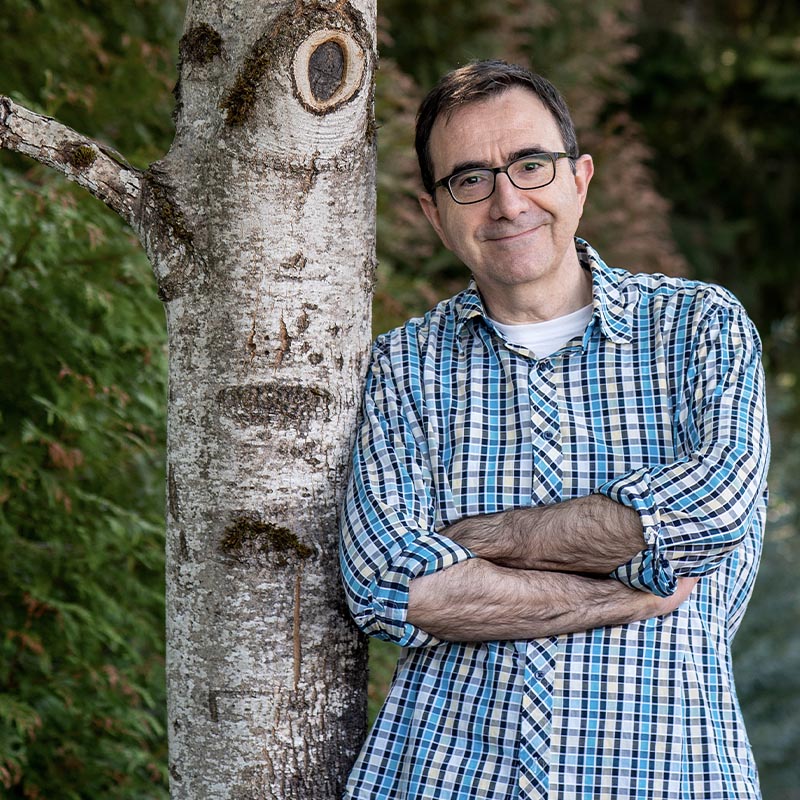
JEANYVES

NORM

FRÉDÉRIC
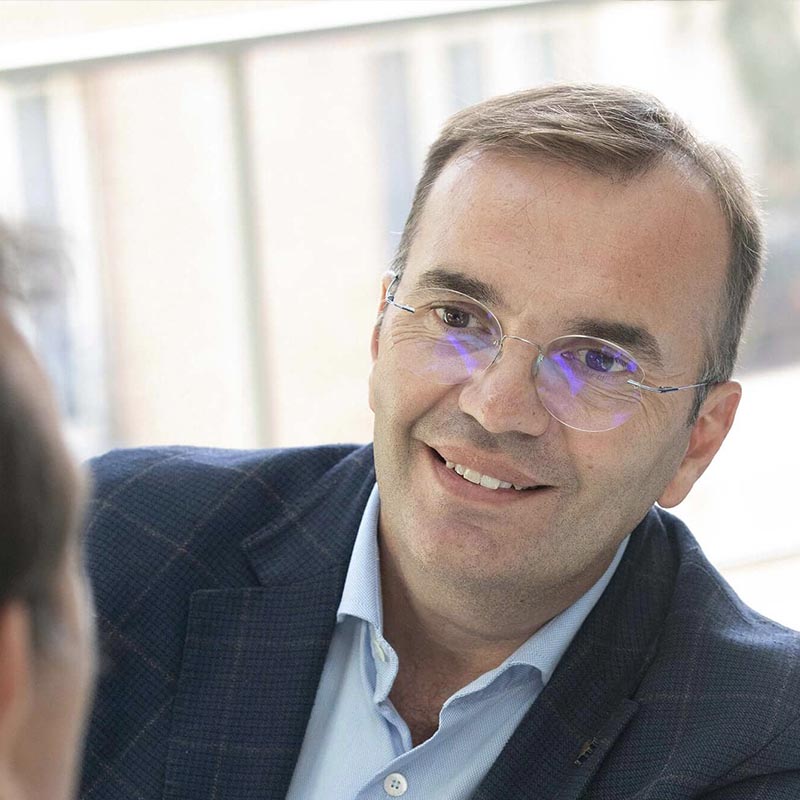
ÉRIC
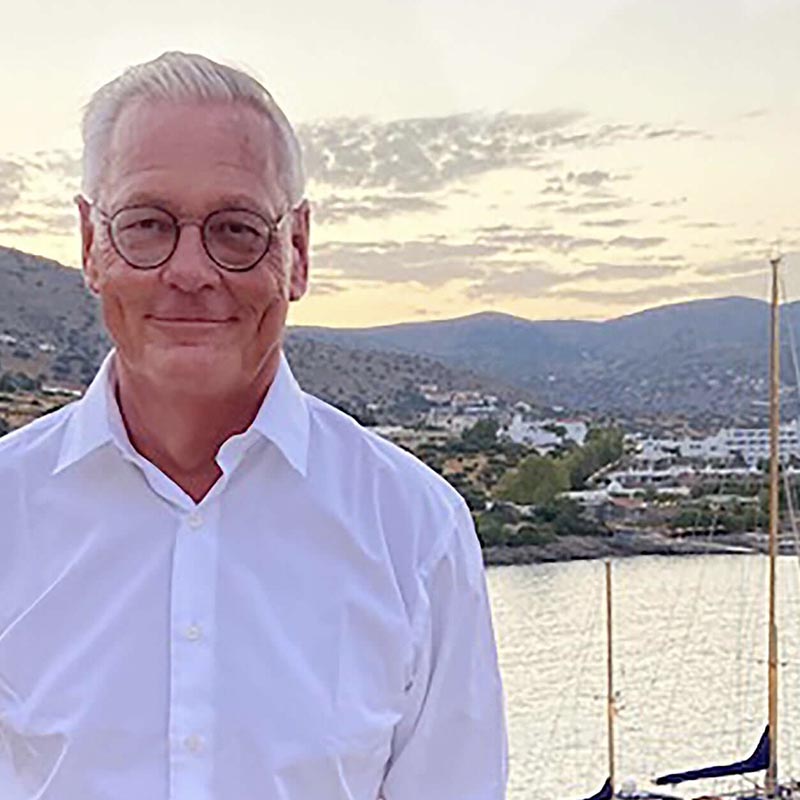
MICHEL
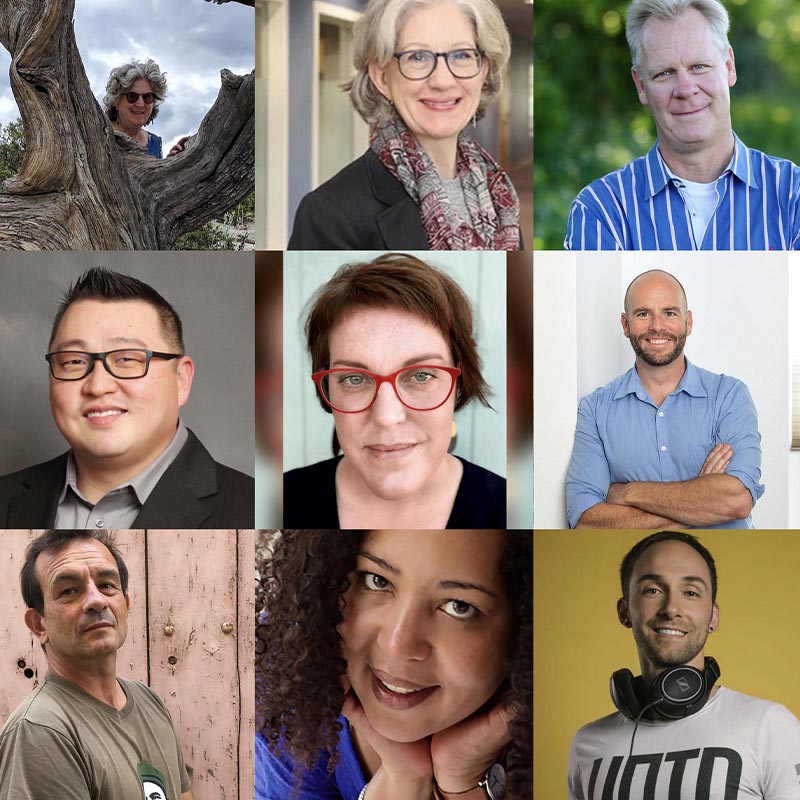
TEAM
THE FOUNDERS
THE TEAM
JEANYVES VERDU
SANDY, OR, USA
Mister Communication
HOW AND WHY DID YOU BECOME: AN ART/COMMUNICATION DIRECTOR?
Frustration. With not seeing the world the way it should be (well, according to me). With ugly posters, ugly designs, ugly comic books (for me it was Bandes-Dessinées in French, did I mention I was French?)- So, I started by drawing my own comic books. I was published once (in an amateur publication), and soon discovered that it was a very lonely job, one way too narrow for my communicative appetite. It was this experience that led me to graphic design.
Need. For creating and expressing my point of view through graphic design. For sharing my visions of the world. For taming fonts and colors, shaping messages and perceptions. This experience then led me to communication.
Pleasure (and perfectionism). For doing what I do, working on a project again and again (and again). Getting it just right, to make it simple and obvious for anyone.
WHAT IS YOUR FIRST VOCATION?
My world is visual. I was born before computers, so my experience started in 2 dimensions, with pens, pencils, paper and scissors.
But not as an artist, I do not have a message for the world nor an urge to impose my vision of it. I am simply a communicator who wants to make the work a little more neat and colorful.
YOUR DEFINITION OF A GOURMET?
An experienced librarian. With sensations instead of books, one might explore a full library of memories in the form of taste, to gain a base in the art of appreciating.
OUR FIRST MEMORIES WITH CHOCOLATE?
I guess I was born a chocolate lover. It was always a treat, a comfort, and a selfish pleasure. Milk chocolate at first (why do parents only give milk chocolate to their kids?), but eventually I discovered the dark side of cocoa. I used to buy baking chocolate bars (massive, thick and pretty dry) for my tasting trips.
SPEAKING OF CHOCOLATE, WHAT DO YOU LIKE, WHAT DO YOU EAT FIRST, WHAT DO YOU NEVER EAT?
I like the word (in many different languages): the spelling, the color, the smell and the taste — everything about chocolate. I first “eat” the packaging (absorbing that first). Then, the chocolate itself. I try to match the flavor with my perceptions, and verify if the visual is adequate for the taste. Have you ever experienced colors or images when eating chocolate? I have.
Even better, I once tried a chocolate infused with “bois de Santal” fragrance (Santal wood), — an experimentation by a French chocolatier (hi, Joël) for a major perfume company. I don’t know about you, but I have never eaten wood. The result, however, was beyond real: the chocolate had the look, the smell, the perception, and the taste of a tree. Aren’t we – humans – some special machines? Oh and, white chocolate doesn’t matter.
HOW DID YOU GET INVOLVED IN THE CHOCOLAT-E ADVENTURE?
Frustration, again. After the 20 first years of my adult life in Paris (France), and the next 10 in Brussels (Belgium – where good chocolate is part of the culture) I moved to Manzanita, Oregon. Here, my biggest problem would show up pretty quickly: where can I find good chocolate?
I was already working with Eric on gourmet food products in/for Europe, so I asked him: Why don’t we make good chocolate available for the U.S. market? We contacted Frédéric Cassel with this funny idea (who claimed he had met me at a conference, but it was actually before – more informally – as I was a serious client of his pastry shop!), and he said yes.
Then, our biggest problem showed up: we actually have to do it!
WHAT DO YOU PARTICULARLY CARE ABOUT CHOCOLAT-E?
The vision. I’m not a chocolatier, four of the five founders are not chocolatiers, – which should tell you something. I (we) want Chocolat-e to be more than just a brand that produces and sellschocolate this is actually what seduced many of our teammates and partners.
Of course we want to make great chocolate (this part is already covered by Frédéric), but we want to do it the right way, in every aspect.
We started building this chocolate brand backwards: defining how it was going to be made, before even thinking about our couvertures’ taste. And I am not talking in an industrial way, but from an environmental and human perspective. We aim to build, not to destroy. There is a long and winding path to our ambitious goal, and we have decided to follow it.