
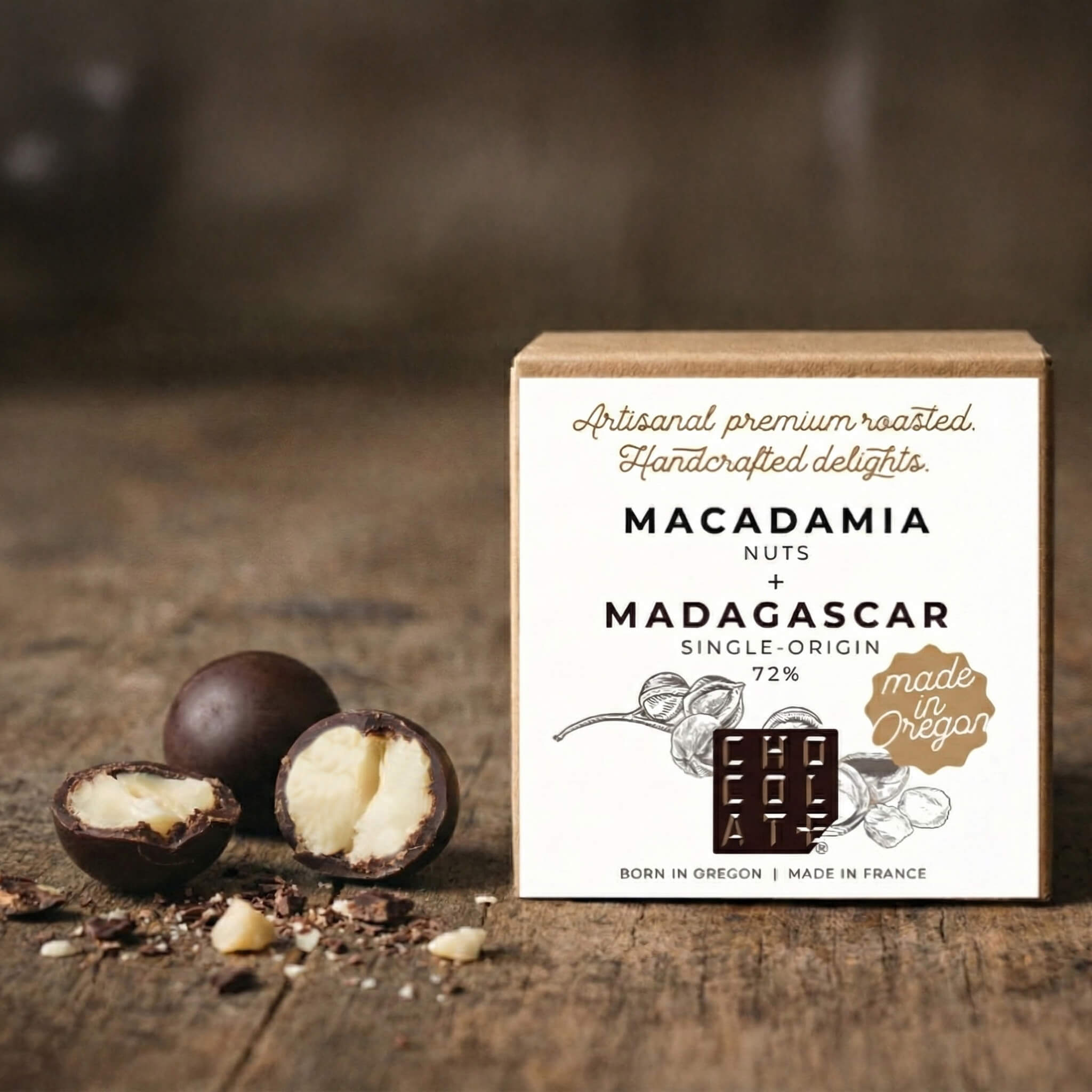
DARK CHOCOLATE-COVERED MACADAMIA NUTS
$19.00
IN PARTNERSHIP WITH FIRE LILY COFFEE, DUNDEE, OR
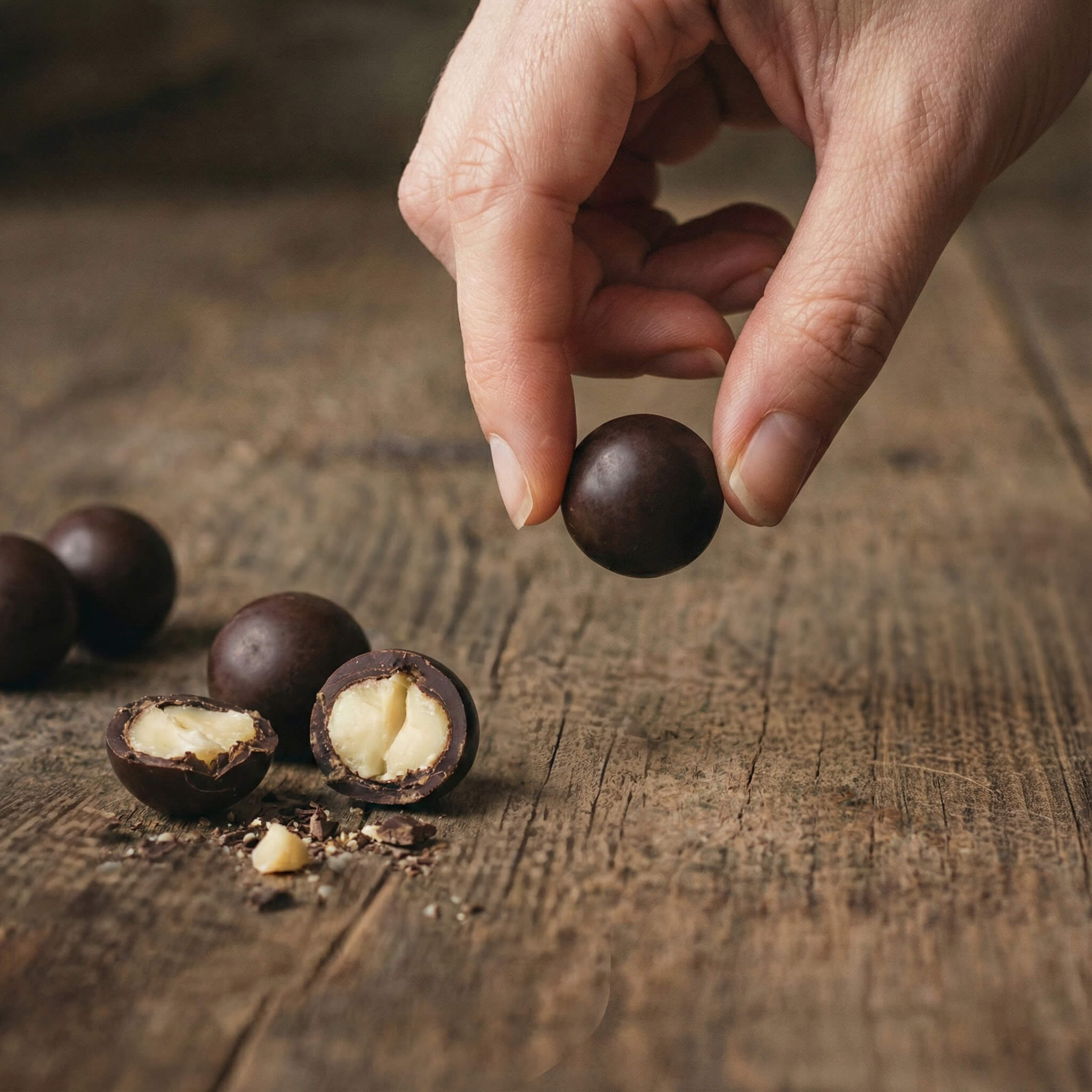
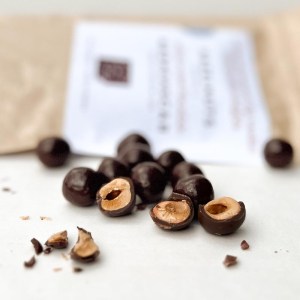
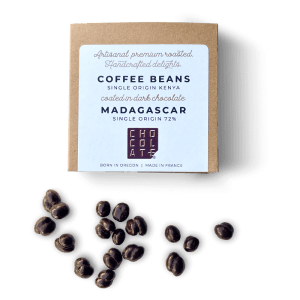
Dark chocolate-covered macadamia nuts, origin Kenya. And Madagascar.
Sustainably Grown in Kenya, In partnership with Fire Lily Coffee
The macadamia nuts come from Peter Kibe’s 10-acre farm in Kiambu County, Kenya, where coffee, macadamia, and avocado trees grow together in harmony.
A Different Kind of Macadamia
Forget what you know about Hawaiian macadamias. Kenyan nuts are less sweet, less oily, and roasted to perfection to reveal a sharper, more authentic flavor and satisfying crunch. These aren’t buttery and mild—they’re bold and genuine, with a clean finish that lets you taste the terroir.
Madagascar Meets Kenya
We pair these distinctive nuts with our single-origin Madagascar chocolate—known for its bright acidity and rich complexity. The chocolate’s fruity notes and natural tang elevate the nut’s earthy character, creating a balance that’s both sophisticated and utterly craveable. Two origins. Two premium ingredients. One unforgettable bite.
Agroforestry Done Right
This traditional intercropping system isn’t just better for the land—it’s better for everyone. The trees work together to prevent soil erosion, provide natural shade and nutrients, and eliminate the need for synthetic fertilizers and pesticides.
Good for Farmers, Good for the Planet
By growing multiple crops on the same land, farmers like Peter build economic resilience while protecting biodiversity and capturing more carbon from the atmosphere. It’s farming that heals.
Net wt. 5 oz | 142 g

Kenyan macadamia but meets our single-origin dark chocolate from Madagascar. So intense.
SINGLE ORIGIN CHOCOLATE
Our single origin chocolate is sourced from one country, one region, and even one single Cocoa farm. Like fine wine or cheese, each cocoa plant has its roots; an origin that gives it its typicality. A taste that connoisseurs — you, soon! — work to identify with pleasure.
HAVE YOU EVER HEARD OF “TERROIR”?
It comes from the Latin word terra (Earth). Terroir is defined by the nature of the soil: its exposure to sun, wind, and rain; interactions between the species within its tissues; the impact of local yeasts and bacteria on the eventual fermentation process. Terroir is a cultural consideration that dictates local styles of planting, maintaining, harvesting, storing, and preparing crops like cocoa beans.
Many chocolate lovers are convinced that the quality of a chocolate depends solely on its cocoa percentage. In our opinion, this is only one criterion to consider, and further, it seems less essential to the complexity of the flavor than terroir.
That is why we have leveled each of our dark chocolates at 72%, so that you can experience the nuances in flavor without thinking about percentage. And trust us… what you will find in each of our couvertures will blow your mind.
THE COCOA FARM
SOCIÉTÉ MILLOT
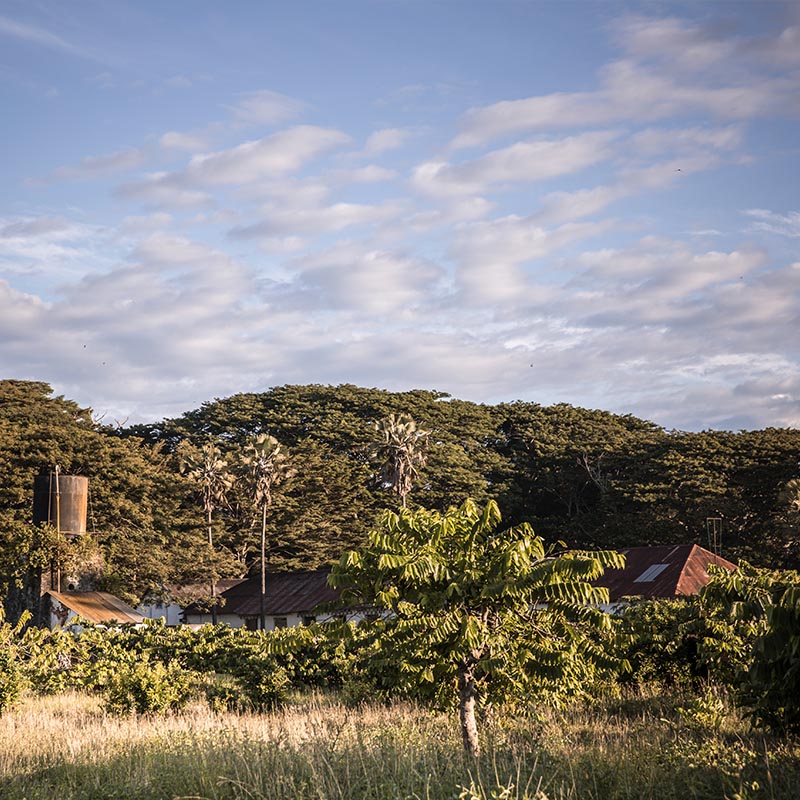
Andzavibe plantation is named after founder Lucien Millot (1906). Seated in North Madagascar, the dazzling 3,200 acre site is the heavenly kingdom of fresh vanilla, ylang, vetiver, patchouli and… cocoa. Our partner, Valrhona, has exclusive purchase rights to 1,500 acres of this certified organic plantation, and recently became a shareholder in the Société Millot. They employ about 800 workers — the majority of which are women — and support local schools in their work. Travelers are graciously welcome, if you happen to pass by.
THE MACADAMIA NUTS FARM
Kenyan Macadamia Nuts: Source & Agricultural Practices
Origin The macadamia nuts are sourced from a 10-acre farm in Kiambu County, Kenya, managed by farmer Peter Kibe.
Agroforestry System The farm utilizes an intercropping model where coffee, macadamia, and avocado trees are cultivated together on the same land. This polyculture approach creates a shaded coffee system that mimics natural forest ecosystems.
Environmental Benefits Research on macadamia-coffee intercropping systems demonstrates measurable environmental advantages:
- Soil Health: Prevents erosion while naturally increasing calcium and magnesium levels—essential nutrients for coffee berry development and quality
- Carbon Sequestration: Increased carbon and nitrogen fixation compared to monoculture systems, contributing to climate change mitigation
- Nutrient Cycling: Tree canopy provides natural mulch and shade, creating a self-sustaining nutrient recycling system
- Biodiversity: Multi-species canopy promotes diverse ecosystems and habitat protection
Reduced Chemical Dependency The shaded intercropping system significantly reduces reliance on synthetic inputs including inorganic fertilizers, insecticides, and pesticides, resulting in cleaner agricultural practices and healthier soil biology.
Economic Sustainability Multi-crop production provides farmers with diversified income streams across different ha
SUSTAINABILITY
Though recycled, compostable, and fit to minimize packaging, our sleeves remain simple and elegant. With less waste and less postage, we are certainly not here to show off. We work everyday to find better solutions and new ways to make our products sustainable.
POUCH
Compostable kraft pouches are an excellent environmentally friendly alternative to petroleum-based plastics. These flexible pouches are lightweight and durable, which reduces shipping costs and overall carbon footprint. They come with a reclosable zipper to ensure that your product stays fresh.
INGREDIENTS
CHOCOLATE Dark chocolate couverture (72% cocoa minimum, pure cocoa butter) – Cocoa beans from Madagascar, sugar, cocoa butter, emulsifier: sunflower lecithin, natural vanilla extract.
NUTS Macadamia nuts.
5 oz (142g)
ALLERGEN INFORMATION
Contains Macadamia nuts.
May contain gluten, egg, soy.
Manufactured in a peanut tree facility .
NUTRITION FACTS
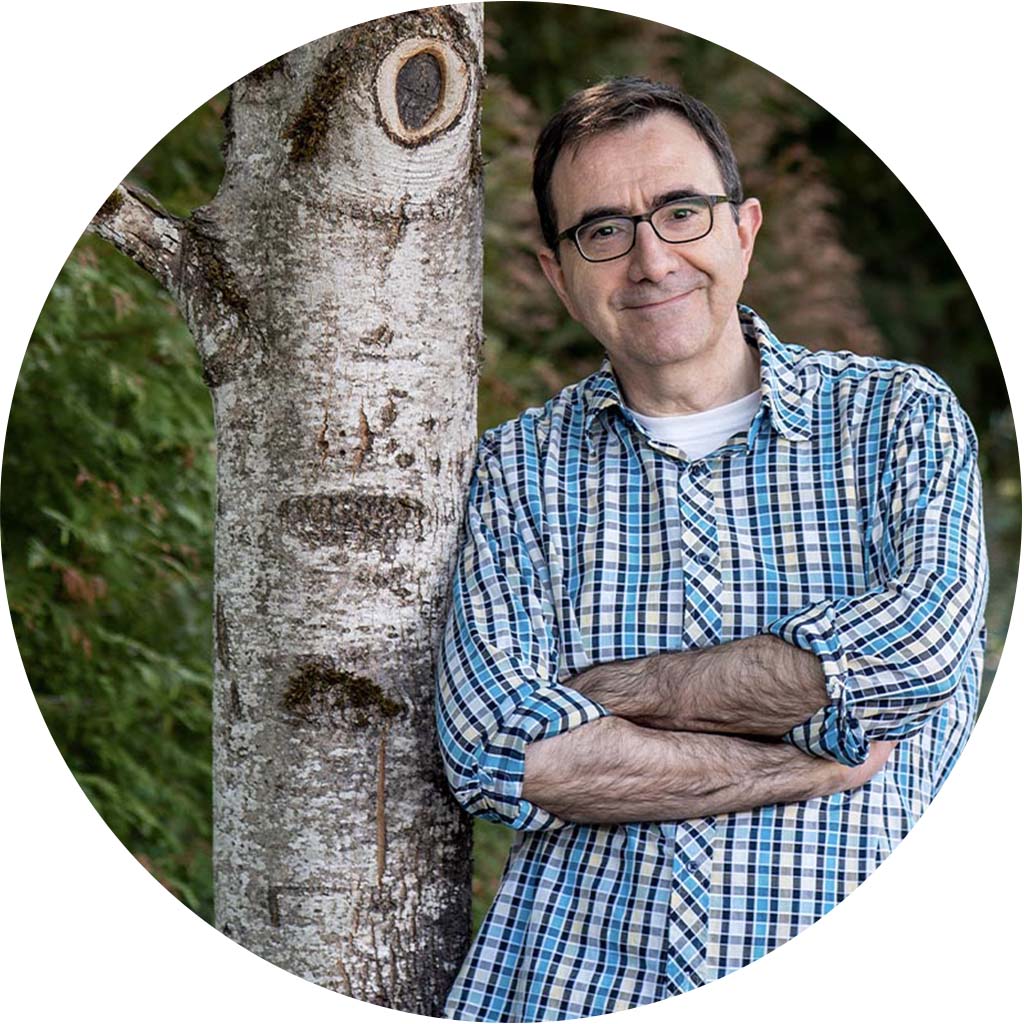
“When I first tasted these Kenyan nuts with our Madagascar chocolate, I knew we had something special. The chocolate’s bright, fruity acidity and natural tang don’t compete with the nut—they amplify it. You get this incredible balance: the earthy, robust character of the macadamia playing off the complexity of the Madagascar cacao. It’s sophisticated without being precious, indulgent without being heavy. Two exceptional origins coming together to create something you simply can’t find anywhere else.”
JEANYVES

LOCAL PARTNERSHIP, LOCAL DELIGHTS
The most refined macadamia nuts come from Africa, and especially from Kenya. We have found the best of the best.


Reviews